



Therapist-approved · Ages 3–8
Grow happy, confident kids with stories where they choose what happens next.


Teacher or counselor? See Wanderly for Schools →



Story packs
Practice the skill before it’s needed.
Curated sets of personalized stories, grouped by what your child is working on.

When Feelings Get Big
Big feelings get easier to handle when a child can notice them, name them, and try out what to do next. Across these stories, children practice reading their body's signals, finding words for feelings, rethinking unkind thoughts, and choosing how to respond.

Learning to be a Good Friend
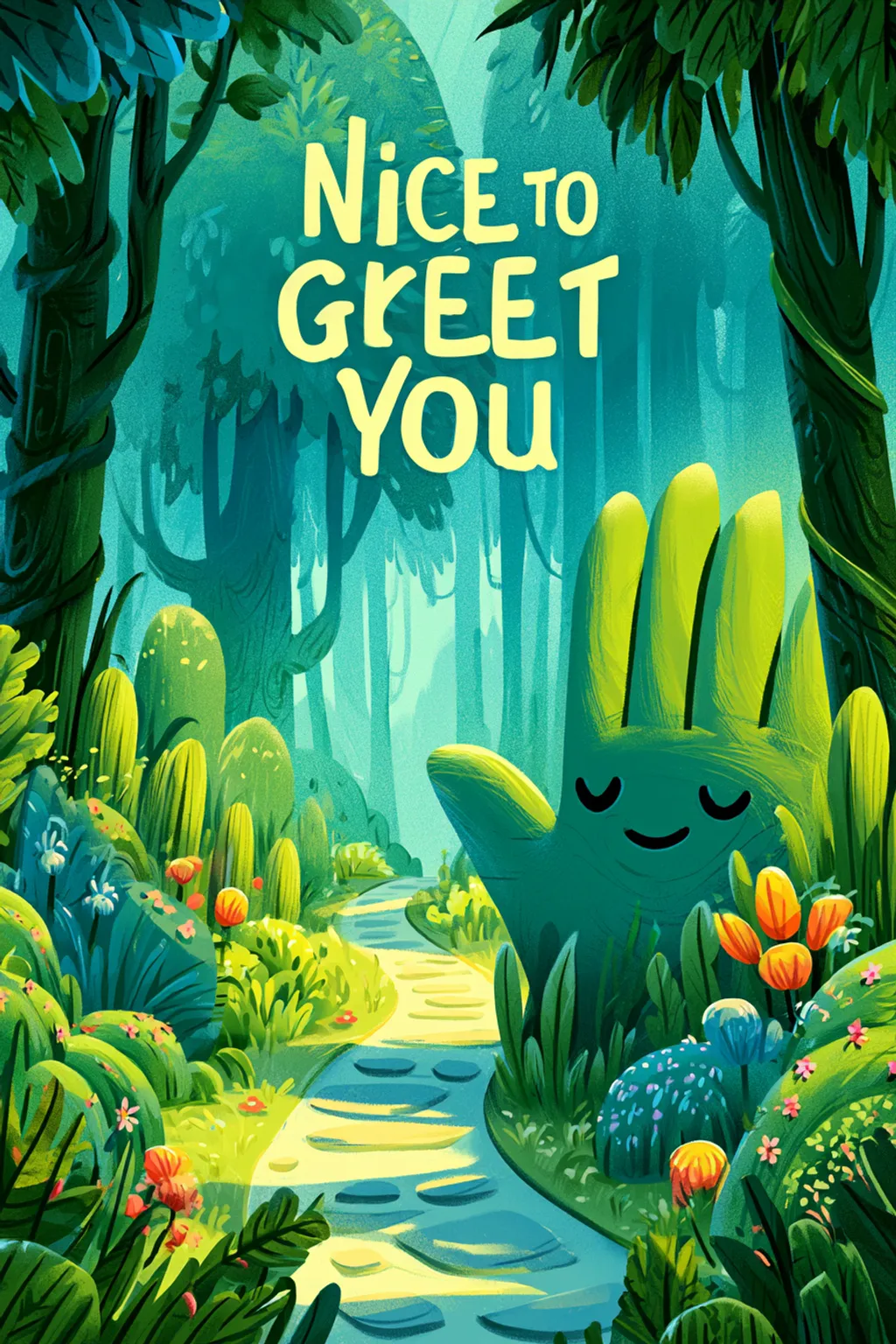
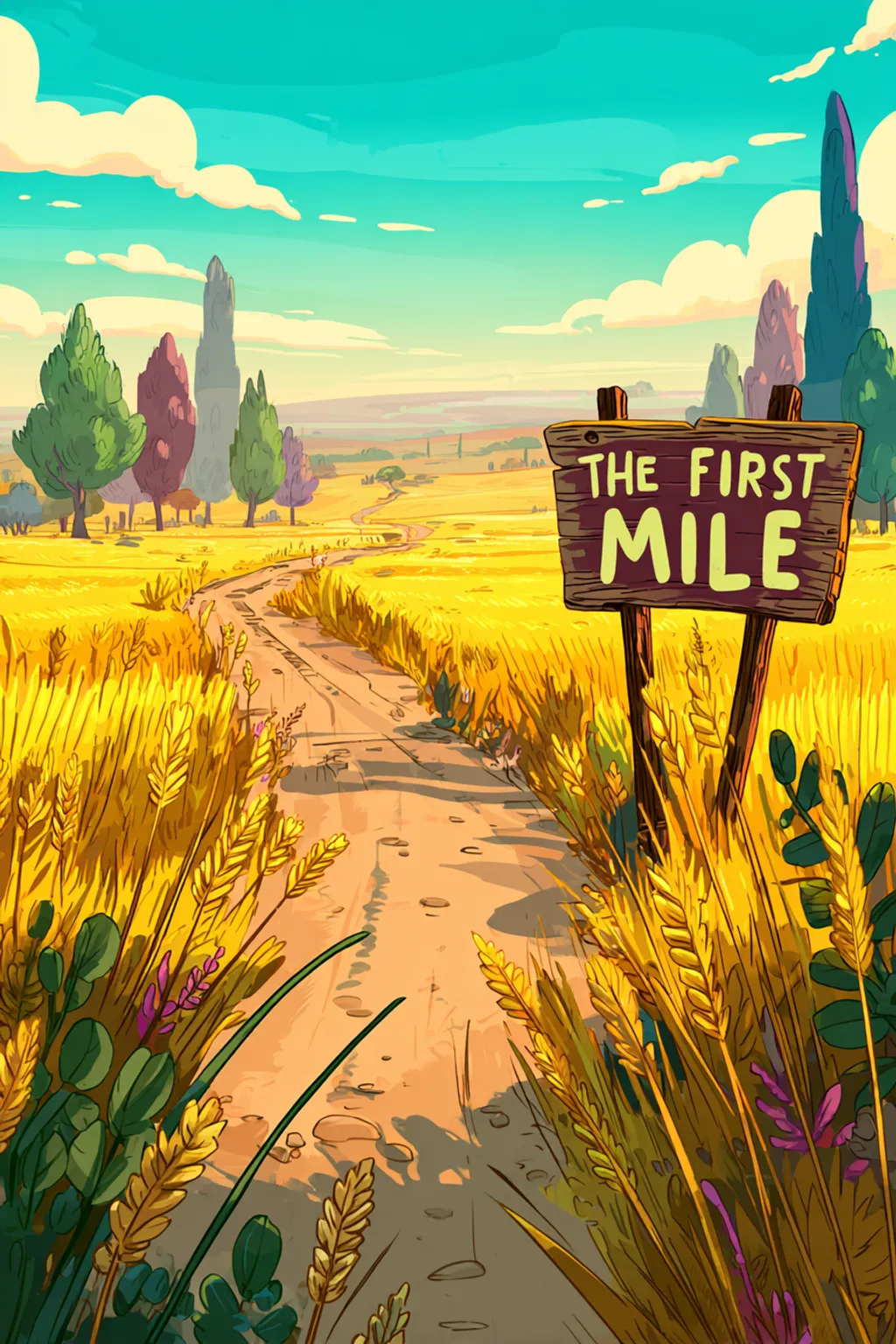
Good friends aren't born; they're built from small moments, and children practice those moments here by choosing what happens next. Across these stories, they explore meeting someone new, saying hello and goodbye, checking in on a friend who's struggling, and finding words for hurt feelings.

When and How to Speak Up
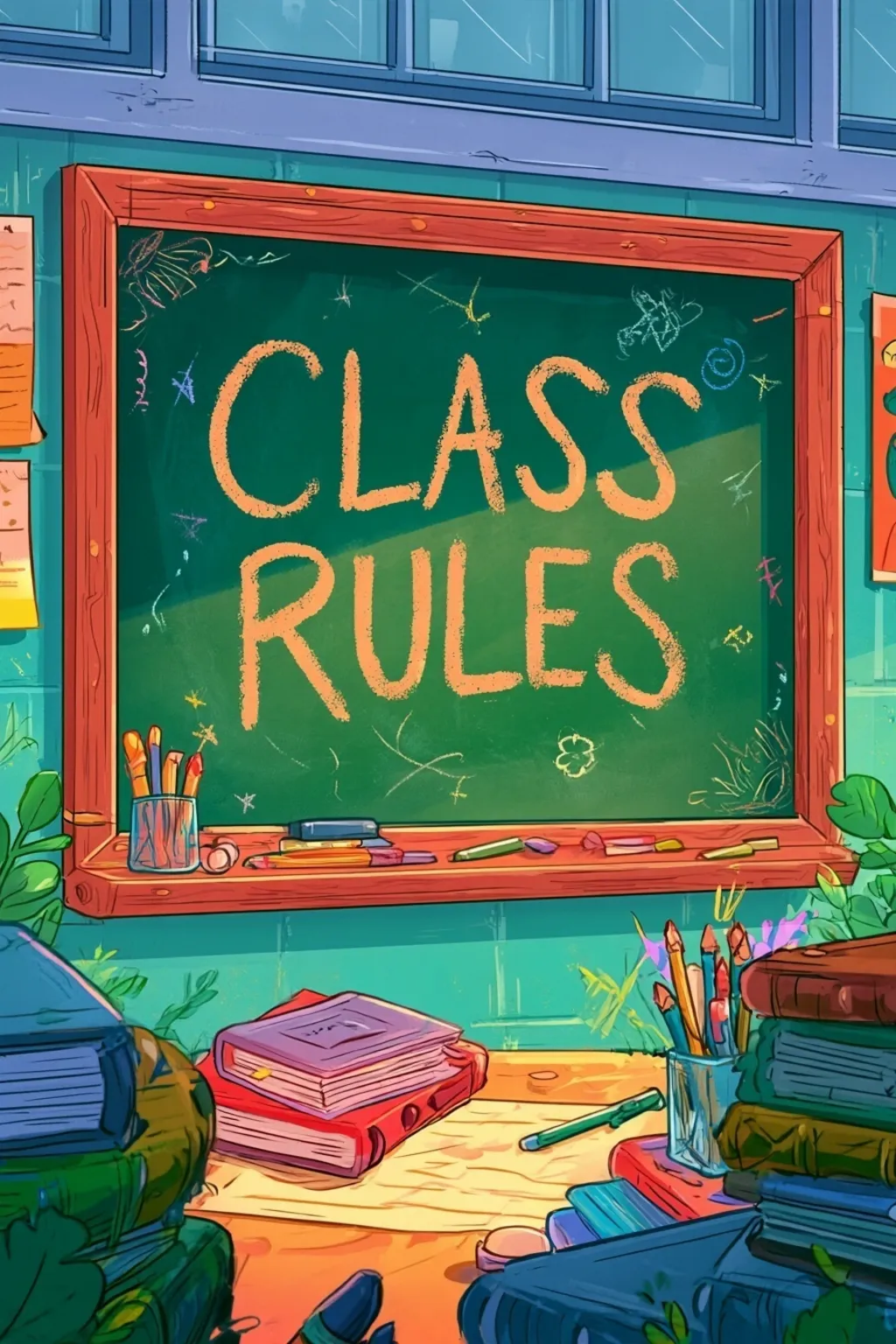
Speaking up takes more than a loud voice. It means knowing what to say, how to say it, and when to ask for help. Children practice finding kind, clear words for their feelings, their needs, and their limits, in moments like spots in line, class rules, and a friend's hurtful mistake.
I Can Keep My Hands to Myself
Children practice noticing their impulses, pausing, and choosing how to act with others. These stories explore good choices, calming big feelings, why shared rules protect everyone's space and bodies, and how a group works best when each person helps keep it safe.


Courage to Face Hard Things
Children practice finding courage when something feels big, whether that's a first day, an unfamiliar activity, a tricky game, or a moment with friends that needs honesty. Across these stories, they notice their feelings, try again after setbacks, and explore what helps them keep going.
View all packs
Every pack and every story, from big feelings and first days to winding down together at bedtime.
Or get every story with Unlimited.
All 17 packs, 70+ stories, and new ones as they’re released.
7-day free trial for new subscribers on the yearly plan.
from $11.24 / month, billed yearly
Subscribe in the Wanderly app
What it looks like at home
Your child learns how to manage big feelings, be a good friend, and prepare for new experiences. And it feels like play.

“As a preschool teacher experiencing firsthand the different ways change can impact children, and as a mom of a neurodivergent child transitioning to kindergarten, the kindergarten story has been a super helpful tool to prepare my son for this change. While we build the story together, even for my “non-verbal” son who is expressing a few words, he was able to express the part that was more difficult for him about this new transition BECAUSE of how the book interaction interested him. It gave me the information I needed to know: what he was most anxious about and where I can reassure him more.”
“As a parent, I love the ability to use the app as a tool to connect with my son. He is an amazing kid who struggles with big feelings and his reactions to them. The stories in Wanderly give us a way to talk about dealing with those feelings when things are calm and we are connected. When he is in a hard moment, we can use language he has chosen from Wanderly to help him. It’s really such a beautiful thing to have another way to connect with my kid in a low pressure situation.”
“As a clinician, I wholeheartedly endorse this interactive storytelling app. It creatively integrates cognitive-behavioral strategies into engaging stories that empower children to recognize and reframe unhelpful thoughts. By guiding children to see that they have the ‘superpower’ to feel better, it not only fosters emotional resilience but also helps them feel less alone in navigating challenging emotions. This app is a thoughtful, imaginative, and evidence-informed tool supporting a child’s mental and emotional growth. It is a wonderful program that can be used in schools, homes, or therapy practices.”
Why it works
Kids practice the skill. Nobody gets lectured.
Every Wanderly story is developed with therapists and specialist educators, drawing on CBT, play therapy and social stories. Your child practices real skills inside the story. And you get an easy way into conversations about them: the choices they made, what felt hard, and what they might try next time.
Young kids learn by trying things
Rehearsal and role play are core parts of evidence-based social skills work at this age. Being told what to do is not.
But that kind of practice is hard to get
It takes a scenario that fits your child, a grown-up who knows what to say, and a kid who is willing to be the subject of the exercise. At 7:30pm, that is a lot to ask.
A story makes that practice easy
Each story sets up a situation your child will recognize and puts the words right on the page. A character tries the hard thing first, so your child can practice without being put on the spot.
Then you can talk about it
You see which choices your child makes when it’s safe to choose. Afterward, ask why they picked it, what felt hard, or what they’d do in real life.
Social-emotional learning
The skills behind every pack, and why they get taught this young.
Read the guide →Play therapy
Why play is how young children work things out, and how a story makes room for it.
Read the guide →CBT for young kids
Tricky thoughts, kinder true ones, and the sequence our stories follow.
Read the guide →Built by a mom
A letter from Laura
Hi — I’m Laura. When I was a little girl, my mom made up bedtime stories with me every night. Those stories made me feel seen and safe, like every idea I had mattered and I could talk to her about anything. Now that I’m a mom of two, I understand how valuable those stories were and how much they helped me learn life skills. I wanted to give my daughters the same thing, especially since each of them has her own social-emotional needs.
Wanderly is built in partnership with therapists, educators, and parents who are working on growing happy and resilient kids. Our stories use principles from play therapy, CBT, and social stories — written into something your child will actually look forward to.
 Our story →

Laura + her girls
GET STARTED
Ready to hear what your child has to say?
Join thousands of families who've used Wanderly to engage their child's imagination, to practice important skills, and to build confidence. Download the app today.