



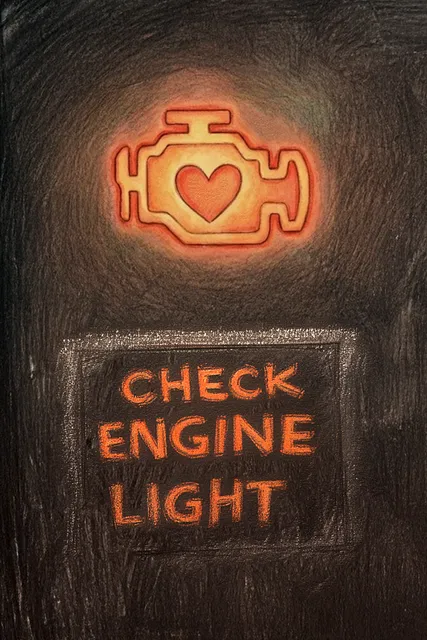
Check Engine Light
Someone you care about is having a really hard day. They're not acting like themselves—something seems off, like a warning light telling you to check in. What do you do? With a little advice from a wise friend, you'll learn that being a good friend isn't about fixing everything—sometimes it's about pulling over, showing up, and letting someone know they're not alone.
About This Story
What your child will experience
Your child will guide a character who notices a friend having a hard day—and learns how to check in. They'll practice reading emotional cues, seek advice from a wise mentor, and choose how to support their friend: by offering quiet presence, asking gentle questions, or helping them think about the situation differently. Along the way, they'll explore what it really means to show up for someone—even when you can't fix everything.
Why this approach helps
By practicing how to notice and respond to a friend's distress, children develop emotional awareness and learn that helping doesn't mean fixing. The CBT-style reframing path gently introduces the idea that our thoughts about a situation matter, while the presence path reinforces that sometimes just being there is enough. Both are valuable friendship skills. Exposing your child to CBT-style reframing through the lens of helping someone else, they can passively learn to apply this strategy to their own perspectives, too.
What to notice as a parent
Your child's choices reveal how they think about friendship and discomfort. Do they gravitate toward action or presence? If your child chooses the reframing path, consider using a similar tactic the next time your child is experiencing big feelings: is the underlying belief "true," or are there times when it may not have been?
Personalize This Story
Make this story truly special by adding these details:
- ✓Who will you be today?
Story Questions
Questions your child may be asked while creating this story:
- Who does the main character notice?
- How does the friend seem to be feeling?
- What is the friend's problem?
- What does the main character think the friend needs right now?
- What could the main character do to show they care?
- What did the main character learn about being a good friend?
Loved by Families
Join thousands of happy families who've empowered their children with personalized, interactive stories.
GET STARTED
Ready to hear what your child has to say?
Join thousands of families who've used Wanderly to engage their child's imagination, to practice important skills, and to build confidence. Download the app today.