
It is a long free day in Rubberdale, and everybody is being mean to your racer... or are they? Did your racer take care of their own needs first? Or do they need to make a pit stop to refuel before continuing through the day?

Our Approach
Wanderly stories are aligned with the CASEL framework, the gold standard in social-emotional learning trusted by educators, researchers, and parents worldwide.
CASEL (the Collaborative for Academic, Social, and Emotional Learning) is the nation's leading organization advancing evidence-based social-emotional learning. Their framework identifies five core competencies that help children thrive in school, relationships, and life.
At Wanderly, we don't just talk about these skills—we help your child practice them through engaging, choice-based stories where every decision matters.
The five core competencies are: Self-Awareness, Self-Management, Social Awareness, Relationship Skills, and Responsible Decision-Making. Each represents skills your child will use every day—at home, at school, and with friends.
What it sounds like:
“I know who I am, how I feel, and what's important to me.”
Self-awareness means recognizing your emotions, understanding your strengths, and knowing what you value. It's the foundation for all other social-emotional skills.
Our stories invite children to explore characters who discover their own feelings, recognize what makes them unique, and learn to trust their inner voice.

It is a long free day in Rubberdale, and everybody is being mean to your racer... or are they? Did your racer take care of their own needs first? Or do they need to make a pit stop to refuel before continuing through the day?

The slow season is over, and all of Rubberdale is roaring back to life for the Derby. Suddenly there is a whole new schedule, new rules, and a routine that is nothing like the one you knew. It is a lot, all at once, and it is different. So where do you even start?

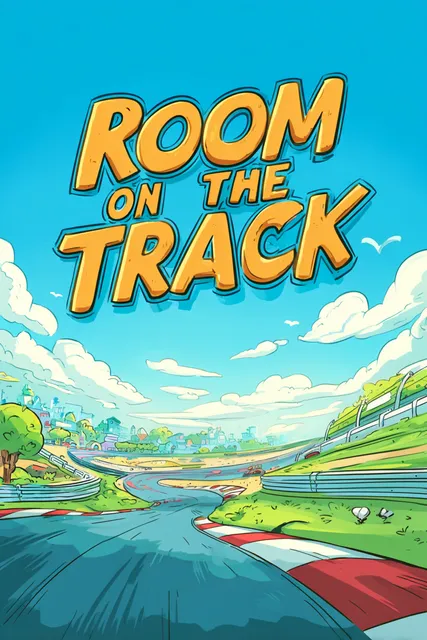
It is a new racing season in Rubberdale, and Mayor Cluckett is splitting everyone into new training groups. Then comes the news: your best racing buddy from last season is in a different group this year. So who is in yours?

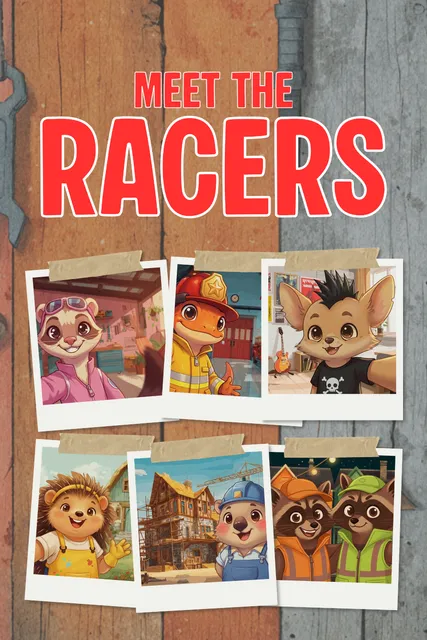
Get to know one of the Rubberdale racers up close—what makes them happy, what makes them angry, what makes them sad, and what makes them feel calm. Then help them think a kind, true thought about themselves.

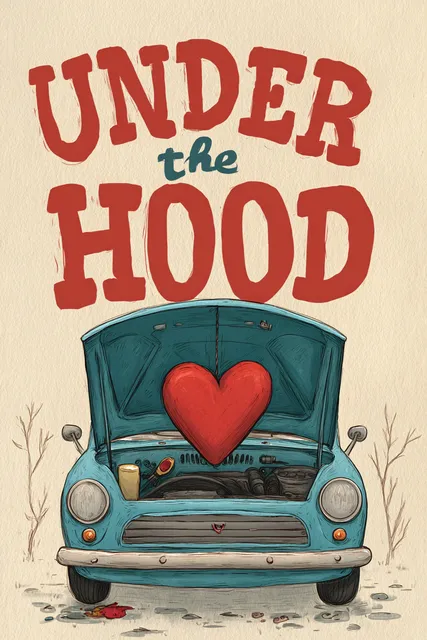
Join your choice of character for a day in Rubberdale where things don't run quite as smoothly as planned. When feelings start revving up, your character learns to check under the hood - noticing their emotions, understanding their body's signals, and choosing how to respond. Will they find a way to get their day back on track?

A new student is coming to Lux University—someone from far away who's never seen a city as big as Opal City before! Echo the Iguana is nervous, overwhelmed, and doesn't know anyone. Will you help him feel welcome? Discover how small acts of kindness can make a big difference, and learn that being curious about new people is always better than judging them.
What it sounds like:
“I can handle hard feelings and keep trying, even when things are tricky.”
Self-management is about regulating emotions, managing stress, and staying motivated toward goals. It's not about suppressing feelings—it's about choosing helpful responses.
Through choice-based narratives, children practice strategies for handling difficult moments, celebrating what works, and building resilience when things don't go as planned.

It is a long free day in Rubberdale, and everybody is being mean to your racer... or are they? Did your racer take care of their own needs first? Or do they need to make a pit stop to refuel before continuing through the day?

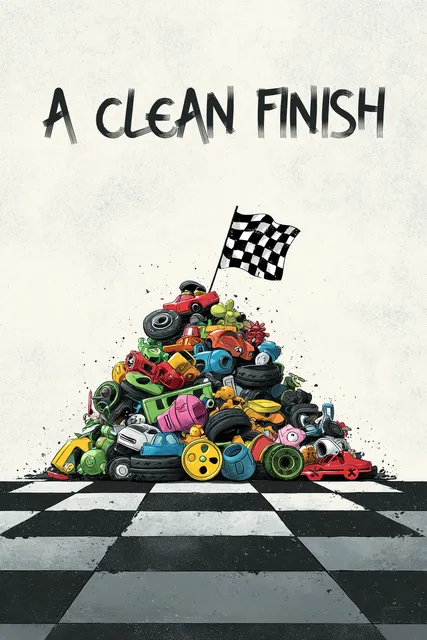
Your character's space has gotten messy, and now someone needs them! A tricky thought pops in about cleaning up. You get to choose that thought, choose what your character does, and help them figure out the worry underneath and a plan to get going. Everyone in Rubberdale says, "Tools in Place, Ready to Race!" By the end, you will know what it really means.

Your best friend is laughing with somebody new. Somebody who isn't you. That's your best friend, and there's only room for one best friend, right? So what happens when the group starts to get bigger?

Your racer is loving their favorite stretch of the Derby route when the road ahead turns into the part that fights them. A tricky thought pops up about the switch. You get to pick that thought, choose what your racer does, and help them find their low gear and get through. Everyone on the route says, "Shift down, power up, don't get stuck!" By the end, you will know what it really means.

Boris has a tip for taking the trickiest corner on the track, and he is only running through it once! But the crew keeps slipping up: wandering eyes, busy hands, a mouth that will not quit. Can you help everyone listen with open ears and open hearts before the tip zooms right past them?

Get to know one of the Rubberdale racers up close—what makes them happy, what makes them angry, what makes them sad, and what makes them feel calm. Then help them think a kind, true thought about themselves.
What it sounds like:
“I can be a good friend, work well with others, and ask for help when I need it.”
Relationship skills include communicating clearly, listening actively, cooperating with others, and navigating conflicts in healthy ways.
Children experience stories where characters navigate friendship challenges, practice communication, and learn that strong relationships take practice and care.

It is a long free day in Rubberdale, and everybody is being mean to your racer... or are they? Did your racer take care of their own needs first? Or do they need to make a pit stop to refuel before continuing through the day?

Every friendship started somewhere. In this story, your character remembers the day they first met one of their best friends — back when they were strangers. You'll guide them through the small but powerful skills of meeting someone new: noticing, breathing, saying hi, showing curiosity, and trying again when the first try wobbles. A warm reminder that big friendships start with little moments.

It is a new racing season in Rubberdale, and Mayor Cluckett is splitting everyone into new training groups. Then comes the news: your best racing buddy from last season is in a different group this year. So who is in yours?

Your best friend is laughing with somebody new. Somebody who isn't you. That's your best friend, and there's only room for one best friend, right? So what happens when the group starts to get bigger?

It is fair day in Rubberdale! Your racer picks something fun to do, asks so nicely for a turn, and hears 'sure, you are next!' But then the turn does not come. What do you do with that big feeling, and what happens next?

Join your choice of character for a day in Rubberdale where things don't run quite as smoothly as planned. When feelings start revving up, your character learns to check under the hood - noticing their emotions, understanding their body's signals, and choosing how to respond. Will they find a way to get their day back on track?
What it sounds like:
“I can stop and think about my choices, and I know my actions affect others.”
Responsible decision-making means making thoughtful, ethical choices that consider your well-being, others, and the broader community.
Every Wanderly story is interactive—your child makes choices that shape the narrative. They see how decisions unfold, practice thinking ahead, and learn that choices matter.

Every friendship started somewhere. In this story, your character remembers the day they first met one of their best friends — back when they were strangers. You'll guide them through the small but powerful skills of meeting someone new: noticing, breathing, saying hi, showing curiosity, and trying again when the first try wobbles. A warm reminder that big friendships start with little moments.

It is a new racing season in Rubberdale, and Mayor Cluckett is splitting everyone into new training groups. Then comes the news: your best racing buddy from last season is in a different group this year. So who is in yours?

Your best friend is laughing with somebody new. Somebody who isn't you. That's your best friend, and there's only room for one best friend, right? So what happens when the group starts to get bigger?

It is fair day in Rubberdale! Your racer picks something fun to do, asks so nicely for a turn, and hears 'sure, you are next!' But then the turn does not come. What do you do with that big feeling, and what happens next?

Join your choice of character for a day in Rubberdale where things don't run quite as smoothly as planned. When feelings start revving up, your character learns to check under the hood - noticing their emotions, understanding their body's signals, and choosing how to respond. Will they find a way to get their day back on track?

A new student is coming to Lux University—someone from far away who's never seen a city as big as Opal City before! Echo the Iguana is nervous, overwhelmed, and doesn't know anyone. Will you help him feel welcome? Discover how small acts of kindness can make a big difference, and learn that being curious about new people is always better than judging them.
Children with strong SEL skills perform better in school, stay focused longer, and approach challenges with confidence.
SEL helps children understand and manage their emotions, reducing anxiety and building resilience through life's ups and downs.
Kids with SEL skills build healthier friendships, communicate more effectively, and navigate conflicts with empathy.
Research shows that social-emotional learning not only improves academic performance but also contributes to long-term success in relationships, careers, and overall well-being. These aren't just “soft skills”—they're essential life skills.
Explore our collection of stories designed to build these essential skills through engaging, personalized adventures your child will love.
Explore Story Templates
👂Social Awareness
What it sounds like:
“I can tell how others feel and understand that everyone's experience is different from mine.”
Social awareness means recognizing emotions in others, taking different perspectives, and showing empathy across diverse backgrounds and experiences.
How Wanderly helps:
Our stories feature characters from different backgrounds navigating various challenges, helping children practice seeing the world through someone else's eyes.
Skills your child will practice:
Stories that build social awareness:
Get to know one of the Rubberdale racers up close—what makes them happy, what makes them angry, what makes them sad, and what makes them feel calm. Then help them think a kind, true thought about themselves.
A new student is coming to Lux University—someone from far away who's never seen a city as big as Opal City before! Echo the Iguana is nervous, overwhelmed, and doesn't know anyone. Will you help him feel welcome? Discover how small acts of kindness can make a big difference, and learn that being curious about new people is always better than judging them.
Princess Moonflower and Princess Fluttersky are throwing the annual Unicorn Ball... but they can't agree on anything! Can you help them get the party planning back on track in time for the ball?
Time for training at the Lux University Gym! You'll discover a brand new move, team up with a partner, and face a tricky obstacle course. But when things get tough, you might just learn that some challenges need teamwork to overcome. Fill in the blanks to create your own silly training adventure!
Create a story designed to guide your child to work on behavior skills. Pick a behavior to work on, specify replacement behaviors, and add in special details to set them up for success in this personalized story.
Explore what makes your community unique, celebrate the people in it, learn about the special things you do together, and find out how you help make your community a wonderful place for everyone.