



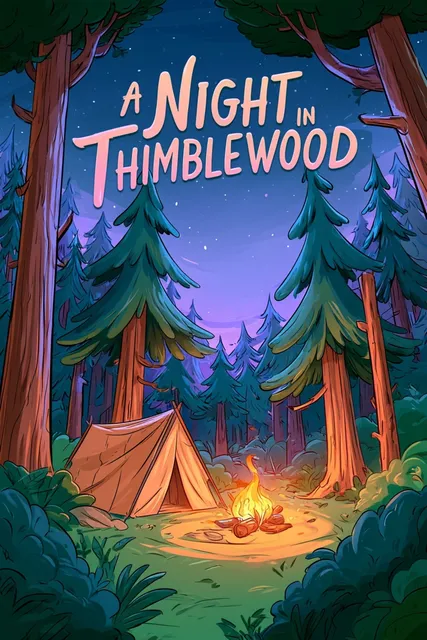
A Night in Thimblewood
One night in the woods, and the friend who spoiled it does not even know. Can your racer find the right words to make it right?
About This Story
What your child will experience
Your child picks one of Wanderly's racers and steps into a night at Thimblewood, where a friend accidentally does something that stings — and doesn't even know it. Over the story, your child builds a three-part message in their own words: "I feel ___ when you ___. Next time, can you please ___?"
They choose the feeling, name what the friend did (as a fact, not a verdict), and make a real request. A helper friend asks three questions — no advice, no opinions — just space to think it through. Your child also picks what worry is holding them back, and decides whether they're ready to say it that night or need until morning. Both choices are honored equally.
Why this approach helps
This story is built around a core CBT-informed skill — the "I statement" — but your child discovers it by doing it, not by being taught a rule. That order matters. Research on emotional communication in early childhood shows that kids retain tools they construct themselves far better than ones explained to them.
The story also makes space for "not yet." Waiting until a feeling cools down before speaking is framed as a genuine skill, not a failure. Over time, repeated practice builds emotional vocabulary, confidence in repair, and the habit of separating what someone did from what kind of person they are.
What to notice as a parent
- The feeling your child picks may reflect emotions they're carrying in real life right now.
- The worry they choose ("They'll be mad," "It wasn't a big deal," etc.) is often the real barrier — a gentle follow-up like "Do you ever feel that way?" can open a lot.
- Whether they say it that night or wait tells you something about their current comfort with direct conversation — neither answer needs correcting.
For more on supporting emotional communication at this age, Zero to Three is a trustworthy starting point.
Personalize This Story
Make this story truly special by adding these details:
- ✓Pick a racer.
Story Questions
Questions your child may be asked while creating this story:
- How did the main character feel?
- What did the main character say their friend did?
- What did the main character want to happen instead?
- What was the main character worried about?
- What the main character say about their friend's sorry?
Loved by Families
Join thousands of happy families who've empowered their children with personalized, interactive stories.
GET STARTED
Ready to hear what your child has to say?
Join thousands of families who've used Wanderly to engage their child's imagination, to practice important skills, and to build confidence. Download the app today.